
 AI Governance
 Data Centers
 Drones
 Climate
 Privacy
 2026 Maine Senate
 Bob Dylan
EPA Weakens Coal Pollution Protections
Coverage from Inside Climate News, The Mercury News, and others
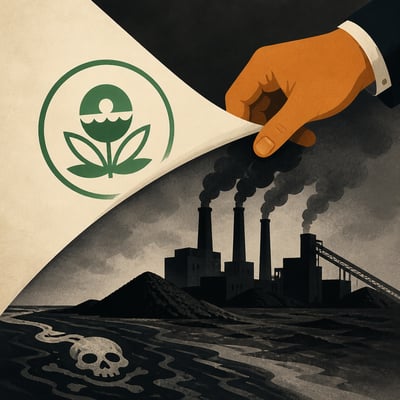
The Environmental Protection Agency is reversing or weakening Biden-era protections governing mercury, other toxic emissions, particulate pollution, emissions monitoring, and coal-ash contamination at coal power facilities.
The administration and coal-industry supporters say the changes reduce compliance costs and help preserve reliable electricity, while public-health and environmental groups warn that weaker controls could increase localized exposure to mercury, lead, arsenic, particulate matter, and contaminated groundwater. The dispute also reflects a broader shift in how federal regulators weigh industry costs against health and environmental benefits.
The story now adds a more specific implementation detail: EPA’s rollback is described as preserving two-year monitoring exemptions for 47 plants. The framing also broadens slightly from a mercury-rule repeal to a broader package of weakened coal pollution and coal-ash protections.
The story now centers more explicitly on finalized federal rollbacks: EPA has fully repealed the tougher 2024 air-toxics rule and paired it with a separate coal-ash weakening proposal. The current version adds clearer emphasis on monitoring cuts, state-led implementation, and the expansion of the rollback to oil-fired plants and inactive coal-ash sites.