
 AI Governance
 Data Centers
 Drones
 Climate
 Privacy
 2026 Maine Senate
 Bob Dylan
AI Data Centers And Power System Strain
Coverage from The Guardian, The Conversation, and others
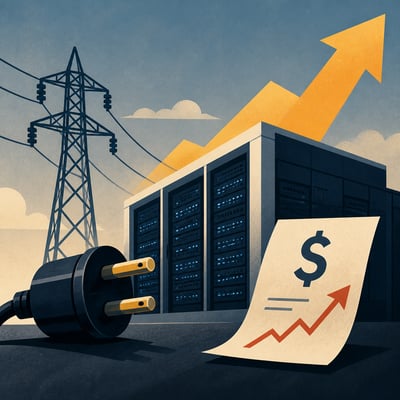
Rapid AI and cloud data center growth is pushing utilities, regulators, and state governments to rethink electricity supply, grid costs, and emissions rules.
The dominant pattern is a split between gas-backed fast power and policy efforts to steer new load toward cleaner, grid-compatible options.
The story has shifted from US-centered AI datacenter strain to Britain’s power-system decarbonisation outlook. The new issue is not surging load from datacenters, but a forecast that grid constraints and gas balancing will leave the UK short of its 2030 clean-electricity target.
- Britain is forecast to reach only about 83% clean electricity by 2030.
- The UK government’s target is 95% clean electricity by 2030.
- East Anglia is a priority for network upgrades to prevent curtailment.
- LCP Delta says better solar, wind, and balancing could lift clean power toward 90%.
- Target attainment may slip to around 2032-2035.
The story has shifted from Britain’s clean-power target shortfall to a broader infrastructure conflict around AI datacenter expansion. The new focus is on rapidly rising electricity and water demand, the resulting emissions and bill pressures, and the policy challenge of managing cumulative local impacts.
The story has narrowed from AI datacenter power and water pressures in the US to Britain’s clean-electricity transition, with the key new point being that 2030 targets now look likely to be missed. The update adds a timeline for when 95% clean power might be reached and emphasizes grid constraints, gas reliance and unresolved bill impacts.
- Great Britain is projected to reach about 83% clean electricity by 2030.
- 95% clean power may be achieved only between 2032 and 2035.
- Grid constraints could force continued gas generation and curtail renewable output.
- Government reforms have accelerated approvals and cleared some stalled grid-queue projects.
- Lower household electricity bills are not yet guaranteed.
The story has shifted from UK clean-power delivery risk to the far broader and more urgent problem of AI datacenter growth driving electricity and water stress. The new version adds a large US siting and community-impact dimension, including fossil-fuel buildout, drought exposure, and rising opposition.
- AI datacenter growth is sharply increasing electricity demand.
- Planned US datacenters are concentrated in drought-hit regions.
- Utilities are extending fossil-fuel generation for near-term datacenter demand.
- Community opposition is growing around specific datacenter projects.
- Planning and reporting remain fragmented, limiting cumulative impact review.
The story has shifted from U.S. datacenter-driven power and water strain to a UK clean-power delivery gap. The key new insight is that Great Britain is likely to miss its 2030 clean electricity target because grid constraints, delivery bottlenecks and gas balancing are slowing progress.
- Great Britain is projected to reach about 83% clean electricity by 2030.
- The government’s 95% clean electricity target may slip to 2032-2035.
- Grid constraints could force renewable curtailment and more gas balancing.
- East Anglia is highlighted for needed network upgrades.
- Cleaner power may reduce exposure to gas price shocks.
The story now places more emphasis on utility and grid-system responses to AI datacenter growth, highlighting new gas generation, delayed coal retirements, and grid upgrades alongside the clean-energy buildout. It also broadens the set of local conflict points to include land use and project transparency, not just water and emissions.
The story sharpens from general datacenter resource strain into a more concrete 2025-2028 planning problem, with a much higher projected electricity share and clearer evidence that fossil and clean-energy responses are both accelerating. It also adds stronger emphasis on cumulative permitting gaps and localized costs like household power bills and nearby infrastructure burdens.
- Projected US datacenter electricity demand could reach 12% by 2028.
- 517 of 809 planned US datacenters are in drought-affected areas.
- Coal retirements may be delayed to serve datacenter load.
- Permitting gaps now explicitly include cumulative environmental review and public disclosure.
- Scope extends to drought-exposed and rapidly growing regions worldwide.
The story has broadened from a general power-grid and emissions issue into a more specific water-and-land-use conflict tied to AI datacenter siting, especially in drought-prone areas. It now emphasizes cumulative local impacts and the limits of current planning processes to assess them.
- About two-thirds of 809 planned US datacenters are in drought-affected areas.
- Large facilities can consume millions of gallons of cooling water daily.
- Current planning often misses cumulative water, emissions and power impacts.
- Communities are contesting projects over land conversion and noise.
- Technology firms are financing batteries, solar, wind and fuel cells.
The story has broadened from general data center pressure on grids into a more explicit policy battle over how AI and cloud load should be served: with gas-backed fast power or through cleaner, grid-compatible rules. The added jurisdictions and actors show this is becoming a structural planning issue rather than a niche infrastructure concern.
- AI and cloud growth is now the central driver, not just data centers generally.
- State governments are more directly involved in supply, cost, and emissions decisions.
- Australia has entered the story as a new geography.
- Clean-power benchmarks and procurement rules are now part of the policy track.
The story broadens beyond U.S. grid stress to include Europe and explicitly frames the central question as whether policy can speed clean power and transmission fast enough to avoid deeper gas dependence. The update also adds new actors and analysis linking AI-driven demand to fossil buildout and weaker climate-rule debates.
- The story now includes the European Union and Great Britain.
- European Union officials are weighing more flexible climate rules for data centers.
- Global Energy Monitor links AI demand to new gas-capacity buildout.
- LCP Delta warns grid constraints could threaten clean power targets.
- The key uncertainty is whether policy can speed clean power fast enough.
The story has broadened from general data center-driven grid strain into a more specific 2026 policy and litigation cycle, with AI/cloud demand now tied to new pricing rules, delayed coal retirements, and more climate-related legal challenges. It also now reaches beyond US utilities into international data center markets and more explicit environmental conflict.
- AI and cloud demand are the explicit load drivers.
- Delayed coal retirements are now part of the supply response.
- Climate-related litigation around datacenters is increasing.
- The story now includes Ireland, Chile, and the United Kingdom.
- Rate structures and interconnection requirements are now highlighted.
The story broadens from general grid-and-cost pressure to a more concrete policy response: specific utilities, regulators, and cities are now actively changing rules and building/allowing onsite supply to manage data center load. The current version also puts cleaner emphasis on local environmental tradeoffs, especially emissions and water use.
The story shifts from a broad account of data center grid stress to a more concrete policy and implementation phase, with utilities and regulators now actively testing specific fixes like onsite generation, rate redesign, and permitting limits. It also adds stronger emphasis on public opposition and the climate tradeoff created by faster fossil-fueled solutions.
The story has sharpened from broad concerns about data center expansion into a more specific policy and utility response story centered on AI-driven load growth. New emphasis falls on regulatory tightening, gas buildouts, and cost-allocation reforms as governments and utilities try to manage the surge.
The story has shifted from broad concern about data center-driven grid strain to more concrete fights over cost allocation, market rules, and who controls access to power. It now also places greater emphasis on public backlash and the growing need for onsite generation when grids cannot deliver fast enough.
- Special tariffs, capacity auctions, and demand-response requirements are being used to shift costs.
- Public opposition is growing over bills, noise, land use, and pollution.
- The debate now includes market rules and public oversight of grid access.
- Some projects are relying on onsite natural gas and diesel generation.
- Implementation of cost-shifting responses remains uneven.
The story has broadened from a general electricity-and-emissions pressure narrative into a more concrete planning and implementation problem, with specific mechanisms now showing how utilities and states are responding. The new version also sharpens the framing around gas as the fastest available supply option and highlights onsite backup generation as a response to grid delays.
The story has broadened from a general utility-cost and clean-energy conflict into a more concrete, quantitative national planning issue around AI data centers, with sharper attention to emissions, water use, and reliability. New reporting also adds more specific actors and responses, including federal-facing scrutiny, industry messaging, and utility plans that point to gas buildout and regulatory exemptions.
- AI data centers are now framed as a major driver of new electricity demand.
- UN and research estimates quantify AI-linked electricity, emissions, and water demand.
- Utilities are pursuing demand-response and long-term planning changes.
- Industry groups are spending heavily on public messaging against community opposition.
- Federal officials now appear among the responding stakeholders.
The story has sharpened from general grid stress around data centers into a more explicit policy fight over cost allocation, with regulators and governors starting to impose rules on who pays and how quickly capacity is built. It also broadens the main concern from reliability and emissions to include more direct residential bill impacts and developer obligations for clean power or onsite backup.
- Pennsylvania regulators and Governor Josh Shapiro are now explicit actors.
- Special rate classes and certification rules are being pursued for data centers.
- Clean-energy requirements for developers are now part of the policy response.
- Diesel backup and other onsite generation are now explicitly mentioned.
- Residential electricity bills are now a more central concern.
The story has broadened from a U.S.-centered utility and rate-design fight into a wider infrastructure and policy problem that now includes the UK, with a sharper emphasis on gas buildouts and interconnection delays. The main new wrinkle is that grid constraints are no longer just prompting cost-allocation debates; they are directly pushing some regions toward new fossil generation and stricter screening of large loads.
- United Kingdom joins the story as a new geographic focus.
- Gas buildouts are emerging as a response to data-center demand.
- Strict large-load screening is being added to utility responses.
- Community and clean-energy opposition is now more prominent.
- Interconnection delays are driving new gas-generation interest.
Fast-growing AI data centers are driving new electricity demand, grid congestion, water use, and cost-allocation fights, pushing utilities and regulators toward new rate rules, backup generation, and slower decarbonization pathways.