
 AI Governance
 Data Centers
 Drones
 Climate
 Privacy
 2026 Maine Senate
 Bob Dylan
Climate Change Raises U.S. Flood Risk
Coverage from Gothamist, KUT, and others
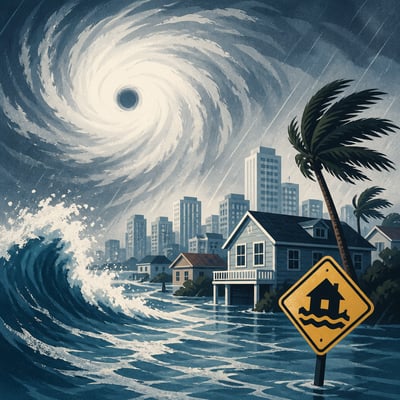
Climate change is increasing the risks associated with coastal flooding, extreme rainfall, flash floods, and some forms of hurricane intensification, particularly across the U.
S. Gulf Coast, Southeast, Atlantic coast, and other exposed communities. Sea-level rise, warmer air and oceans, and changing atmospheric conditions can raise flood severity even when individual hurricane seasons are below average. The resulting pressure on infrastructure, insurance, public health, disaster funding, and land-use planning is driving greater emphasis on preparedness and adaptation, while attribution and future projections remain subject to regional and methodological uncertainty.
The story is largely the same, but the framing has broadened from mostly coastal storm-surge and flood risk to a wider climate-risk and adaptation narrative that includes inland flooding, public health, forecasting, and municipal preparedness. It also adds more explicit attention to uncertainty in attribution and regional projections.
The story has broadened from general coastal and flash-flood risk to a stronger emphasis on hurricane-related rainfall and storm surge, plus the uneven distribution of future losses. It now foregrounds the strain on insurers, federal mitigation programs, and equity impacts on Black communities.