
 AI Governance
 Data Centers
 Drones
 Climate
 Privacy
 2026 Maine Senate
 Bob Dylan
Rice Faces Climate And Emissions Pressures
Coverage from KOIN, Penn State News, and others
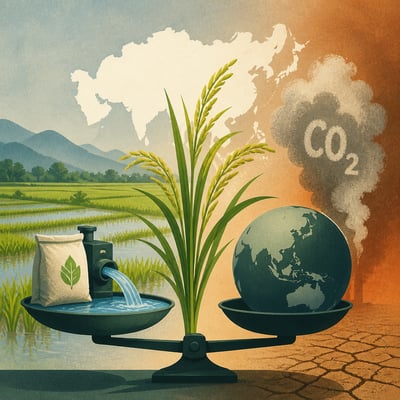
Global rice production has expanded substantially despite climate-related losses, with irrigation, nutrient inputs, multiple cropping, and other management practices helping sustain output.
At the same time, warming, heat stress, water shortages, and projected temperature exceedances threaten major Asian rice-growing regions, while intensified and flooded production contributes significant methane and nitrous oxide emissions. Research increasingly points to region-specific water management, optimized inputs, and climate-resilient varieties as ways to protect yields while reducing environmental impacts.
The story now puts more weight on mitigation details and broader adaptation, adding that rice emissions are tied to intensified management and that improved tillage and region-specific practices can reduce impacts. It also sharpens the Asia temperature-risk claim and adds India as the most affected country.
The story has become more quantified and more climate-risk-focused: it now puts a concrete estimate on both past climate-driven rice losses and future temperature exposure, while also sharpening the emissions tradeoffs of adaptation. The framing shifts from general tension between climate and rice output to a more explicit policy problem of balancing yield protection with water, pollution, and methane reductions.