
 AI Governance
 Data Centers
 Drones
 Climate
 Privacy
 2026 Maine Senate
 Bob Dylan
Attribution Science Links Emitters to Extreme Weather
Coverage from Canada's National Observer, CleanTechnica, and others
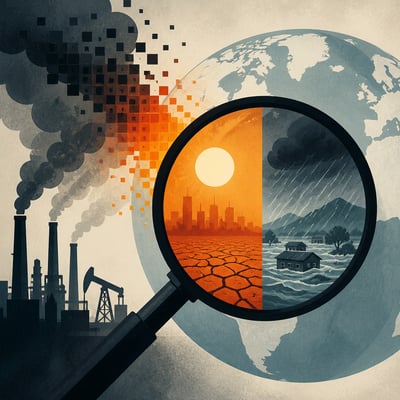
A 2026 study by Christopher Callahan of Indiana University uses more than 150 simulations across eight climate models to estimate how historical emissions from countries and fossil-fuel firms changed the likelihood of specific extreme-weather events.
The findings link major emitters to higher risks of the 2021 Pacific Northwest heat wave and Pakistan’s 2022 extreme rainfall, potentially giving plaintiffs stronger evidence on causation in more than 40 U.S. climate-liability cases, although the legal significance and broader acceptance of the method remain uncertain.
If you read one thing
It provides the clearest and best-supported overview of emitter-specific attribution, its quantified findings, and potential climate-litigation implications.
Emitter-specific attribution is becoming quantifiable
Attribution models now estimate how emissions from countries and fossil-fuel companies changed the probability of particular heat and rainfall extremes. The cited estimates include a 31% increase in the likelihood of the 2021 Pacific Northwest heat wave and a 7% increase for Pakistan’s 2022 extreme rainfall.
Litigation relevance is substantial but unresolved
Attribution evidence could help plaintiffs address causation in climate-liability cases by connecting individual emitters to specific harms. Its courtroom effect remains uncertain because legal outcomes may turn on issues beyond scientific attribution, amid continued resistance from industry lawyers and political allies.
eight climate models
number of climate models used
“More than 150 simulations across eight climate models were used to estimate how emissions affected the odds of extreme heat or rainfall. Callahan said the approach is intended to be simpler and less computationally demanding than earlier attribution methods”
More than 150 simulations
number of simulations used
“More than 150 simulations across eight climate models were used to estimate how emissions affected the odds of extreme heat or rainfall. Callahan said the approach is intended to be simpler and less computationally demanding than earlier attribution methods”
31%
increase in the likelihood of the 2021 Pacific Northwest heat wave
“The research finds that cumulative emissions from individual actors have increased the probability of extreme climate events globally. U.S. emissions increased the risk of recent extreme heat by at least 50% across one-third of the globe. Emissions from major fossil-fuel firms increased the likelihood of the 2021 Pacific Northwest heat wave by 31% and extreme rainfall in Pakistan in 2022 by 7%.”
7%
increase in the likelihood of extreme rainfall in Pakistan
“The research finds that cumulative emissions from individual actors have increased the probability of extreme climate events globally. U.S. emissions increased the risk of recent extreme heat by at least 50% across one-third of the globe. Emissions from major fossil-fuel firms increased the likelihood of the 2021 Pacific Northwest heat wave by 31% and extreme rainfall in Pakistan in 2022 by 7%.”
at least 50%
increase in the risk of recent extreme heat
“The research finds that cumulative emissions from individual actors have increased the probability of extreme climate events globally. U.S. emissions increased the risk of recent extreme heat by at least 50% across one-third of the globe. Emissions from major fossil-fuel firms increased the likelihood of the 2021 Pacific Northwest heat wave by 31% and extreme rainfall in Pakistan in 2022 by 7%.”
No new member articles were supplied, so there is no evidence of a material change in the topic.
Previously
A 2026 study by Christopher Callahan of Indiana University uses more than 150 simulations across eight climate models to estimate how historical emissions from countries and fossil-fuel firms changed the likelihood of specific extreme-weather events. The findings link major emitters to higher risks of the 2021 Pacific Northwest heat wave and Pakistan’s 2022 extreme rainfall, potentially giving plaintiffs stronger evidence on causation in more than 40 U.S. climate-liability cases, although the legal significance and broader acceptance of the method remain uncertain.