
 AI Governance
 Data Centers
 Drones
 Climate
 Privacy
 2026 Maine Senate
 Bob Dylan
Arctic Wildfires And Carbon Release
Coverage from New Scientist, ScienceBlog.com, and others
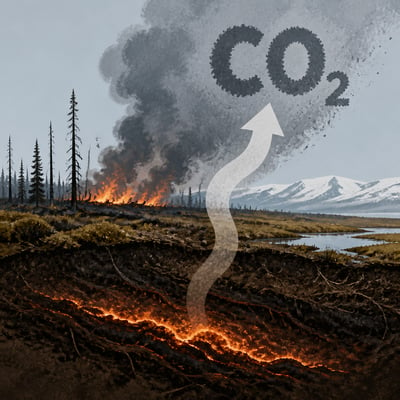
Arctic and Greenland wildfire activity is rising, with unusual early-season fires linked to warm, dry conditions, expanding tundra flammability, and the release of long-stored soil carbon.
The material consistently emphasizes peat combustion, carbon and soot feedbacks, and the need to update fire models for Arctic conditions.
The story has shifted from a general warning about overlooked belowground carbon loss to a more specific and urgent account of rising Arctic and Greenland wildfire activity, especially early-season fires in western Greenland. It now emphasizes local fire conditions, smoke and suppression challenges, and broader ice-darkening feedbacks alongside the carbon-emissions issue.
The story has sharpened from a general warning about hidden wildfire carbon to a more specific research framing: studies now emphasize how burn depth and soil conditions drive highly variable belowground emissions, and they add black carbon as an additional warming pathway. The current version also narrows the evidence base to named researchers and a Sweden case study while stressing model gaps in boreal and peat-rich landscapes.