
 AI Governance
 Data Centers
 Drones
 Climate
 Privacy
 2026 Maine Senate
 Bob Dylan
Antarctica's Ancient Archives Face Drilling Debate
Coverage from Pilot Auction Facility, EWGT 2025, and others
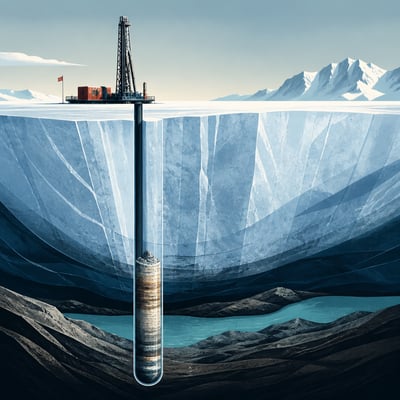
Researchers are considering how far to drill into ancient Antarctic environments, including a fossil forest and subglacial Lake Vostok, to recover evidence about past climates, ice-sheet behavior, and extremophile life.
The proposed work could improve understanding of warming and Antarctic change, but drilling may introduce contamination or permanently disturb systems isolated for millions of years. The debate is therefore increasingly focused on safeguards, international review, and whether the scientific value justifies irreversible access.
The story shifts from a broad account of Antarctic drilling to a more specific debate over how far researchers should go into sealed ancient systems, with stronger emphasis on safeguards and irreversibility. Lake Vostok and the fossil forest are now framed less as isolated case studies and more as test cases for whether the scientific payoff justifies permanent disturbance.
The story is reframed around a more specific scientific example: Antarctic drilling now highlights 34-million-year-old forests and subglacial water systems, not just generic ancient climate archives. The governance and contamination concerns remain, but the current version more explicitly emphasizes ethics and treaty-based limits.