
 AI Governance
 Data Centers
 Drones
 Climate
 Privacy
 2026 Maine Senate
 Bob Dylan
Antarctic Ice Loss Raises Sea-Level Risks
Coverage from Evrimagaci, The Invading Sea, and others
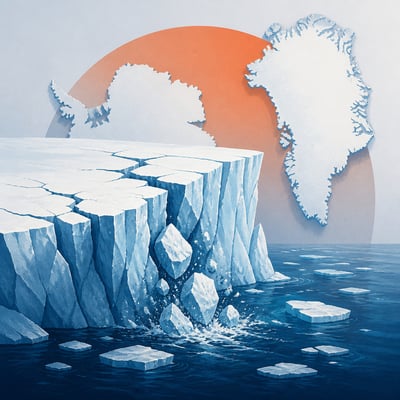
Antarctica is showing multiple signs of increasing ice-system stress, including unusually low winter sea ice, expanding surface melt and processes that may weaken ice shelves and accelerate glacier flow.
Research indicates that ocean heat, meltwater and changing ice geometry can amplify ice loss, although the timing and scale of potential instability remain uncertain. The consequences include higher long-term sea-level rise risks, pressure on Antarctic ecosystems and greater exposure for coastal communities worldwide.
The story is now framed more tightly around Antarctic ice-system stress, with clearer emphasis on a specific Bellingshausen Sea sea-ice deficit and on mechanisms that may amplify ice loss. It also narrows the uncertainty discussion by highlighting contested marine ice-cliff instability while strengthening links to ecosystem and coastal impacts.
The story has shifted from a broad assessment of Antarctic and Greenland ice-instability risks to a more concrete picture of current, observed changes: exceptional winter sea-ice loss, faster glacier flow, and localized ice-shelf melt processes are now emphasized alongside longer-term sea-level risk. It also broadens from pure ice-sheet instability to include immediate ecosystem impacts in polar regions.