
 AI Governance
 Data Centers
 Drones
 Climate
 Privacy
 Bob Dylan

2026 Maine Senate: Featured Story
Coverage from The Portland Press Herald, Central Maine, and others
Maine Federal Races Could Require Ranked-Choice Runoffs
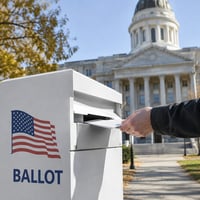
Maine’s 2026 Senate and 2nd Congressional District races could go to ranked-choice runoffs if no candidate receives more than half of all ballots in the first round. Declared write-in candidates and blank ballots could contribute to that outcome, and a runoff may delay final results for a week or longer. Polls show a close Senate contest, but they do not determine whether a runoff will occur or who will win.
If you read one thing
The master article explains how write-ins and blank ballots could trigger ranked-choice runoffs in the Senate and 2nd District races, and what the process would involve.
Best explainer
Adds context on when Maine officials may know whether ranked-choice counting is needed and why final results can take longer.
Coverage describes conditions that could trigger runoffs but does not establish that either race will need one or determine a winner. Polls are snapshots, not a substitute for the vote count.
The Senate race has six declared write-in candidates, and the 2nd District race has one. Because the majority threshold is measured against all ballots cast, including blank ballots, these votes could matter even if the major-party candidates lead.
If no candidate receives more than 50% in the first round, officials eliminate the last-place candidate and transfer voters’ next choices until someone exceeds 50%. The reporting says a runoff could take a week or longer; Maine officials may know within a day or two whether ranked-choice counting will proceed, with outcomes historically arriving the following week.
The 2026 Senate polling described in the coverage is close, with a slight Jackson lead often within the margin of error; the articles caution that polls do not determine whether a runoff will occur.
Maine’s 2024 2nd District contest provides a precedent: neither major-party candidate initially exceeded 50%, and the runoff took several days to complete after ballots were sent to Augusta. It shows a runoff is possible in a two-candidate contest, not that one will occur in 2026.