
 AI Governance
 Data Centers
 Drones
 Climate
 Privacy
 2026 Maine Senate
 Bob Dylan
Last Update: 10/05/2026 at 11:00 PM EST
Border Searches of Electronic Devices
Coverage from Data Privacy + Cybersecurity Insider, U.S. Constitution, and others
U.
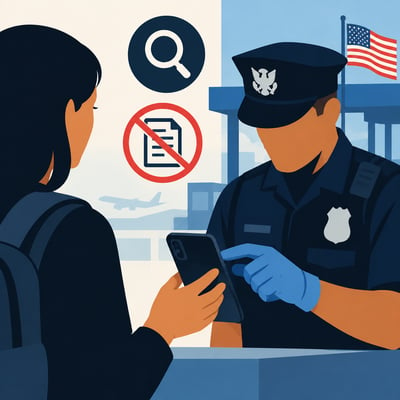
S. border searches of phones and other electronic devices raise questions about how far the border-search exception extends when a device holds extensive personal information. In United States v. Alisigwe, the Second Circuit allowed manual cellphone searches without a warrant or individualized suspicion in New York, Connecticut, and Vermont. The ruling also highlights an important distinction: it did not resolve the standards for forensic extraction or broader copying of device data. The case brings into focus the relationship between border enforcement authority, court-imposed limits, and travelers’ digital privacy.
Looking Back
18 Day Timeline
Sep 18
Sep 21
Sep 24
Sep 27
Sep 29
Oct 2
Oct 5
All Articles4 articles
Important
On September 17, 2026, the U.S. Court of Appeals for the Second Circuit ruled that border agents may search international travelers' cellphones without individualized suspicion in its jurisdiction, covering New York, Connecticut, and Vermont.
9/24/2026 • Regulation, Law & Enforcement • General
The Second Circuit held in United States v. Alisigwe that federal officers may manually search phones without warrants or suspicion at international entry points in New York, Connecticut, and Vermont.
9/20/2026 • Regulation, Law & Enforcement • General
The Second Circuit ruled in 2025 that federal agents may conduct suspicionless cellphone searches at international borders, including JFK Airport and other ports in New York, Vermont, and Connecticut.
9/18/2026 • Regulation, Law & Enforcement • General
On September 17, the Second Circuit ruled in the United States that manual border searches of travelers' electronic devices require neither warrants nor suspicion.
10/5/2026 • Regulation, Law & Enforcement • General