
 AI Governance
 Data Centers
 Drones
 Climate
 Privacy
 2026 Maine Senate
 Bob Dylan
Section 702’s Warrant Fight
Coverage from Free Press, Electronic Frontier Foundation, and others
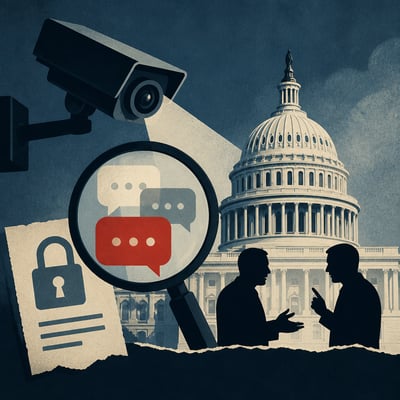
FISA Section 702 is at the center of a U.
S. dispute over foreign-intelligence collection, statutory reauthorization, and safeguards for Americans whose communications may be incidentally collected. Congress failed to pass a temporary extension before the scheduled June lapse, while Foreign Intelligence Surveillance Court certifications may allow some collection to continue and create uncertainty about the effect of expiration. Reform proposals would add warrant, notification, transparency, and emergency-review requirements, reflecting persistent concerns about FBI database queries and the use of surveillance data involving U.S. persons.
The update adds a more specific legal consequence to the looming lapse: court certifications may preserve some collection while leaving providers’ assistance obligations unresolved. It also broadens reform proposals to cover AI-assisted processing, target notification, and emergency procedures.
The story has sharpened from a general fight over Section 702 renewal into a more defined push for specific privacy constraints, especially warrants, data broker limits, and tighter querying rules. It also now emphasizes more clearly that the reauthorization fight is happening under unstable timing conditions and diminished oversight capacity.
The story now places greater emphasis on non-FISA data access and modern personal datasets, while highlighting recurring secrecy and compliance concerns. Ron Wyden emerges as a prominent reform advocate.
Congress is struggling to renew FISA Section 702, a surveillance authority used to collect foreign intelligence communications that can also sweep up Americans' messages. The debate centers on whether renewal should include stronger limits, especially warrant requirements for FBI searches and new controls on government access to commercially available data. Political disputes over intelligence leadership have delayed agreement, while legal certifications may allow collection to continue even if the statute lapses.