
 AI Governance
 Data Centers
 Drones
 Climate
 Privacy
 2026 Maine Senate
 Bob Dylan
QR Phishing Targets Travelers’ Data
Coverage from Aol, Money, and others
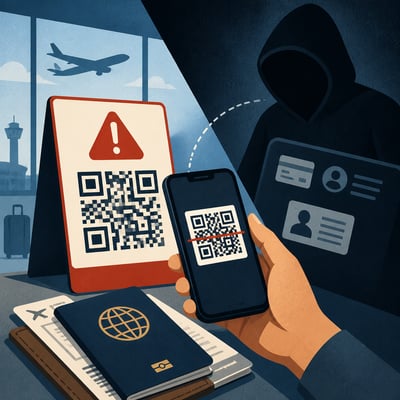
Scammers are using QR codes, fake booking channels, impersonated agencies, and fraudulent customer-service contacts to direct people to phishing pages that collect payment details, credentials, and personal information.
Travel settings increase exposure because people frequently scan unfamiliar codes, use public networks, and share sensitive booking or identity documents while distracted or under time pressure. The material emphasizes verifying links and contact details, limiting exposed information, using strong account protections, and monitoring financial and credit accounts after suspected compromise.
The story has broadened from general travel scams and document exposure to a more specific phishing ecosystem centered on QR-enabled fraud, fake booking and customer-service channels, and impersonated government/payment touchpoints. It also adds more concrete defensive guidance for what victims should do immediately after suspected compromise.