
 AI Governance
 Data Centers
 Drones
 Climate
 Privacy
 2026 Maine Senate
 Bob Dylan
Lawmakers Probe VPN Surveillance Risks
Coverage from Libertarianism.org, Bankless, and others
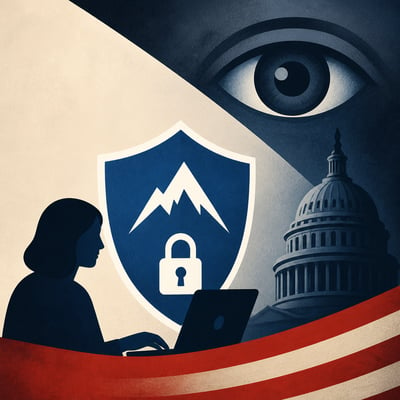
Six Democratic lawmakers asked Director of National Intelligence Tulsi Gabbard to clarify whether commercial VPN users could be treated as having an unknown or foreign location under FISA Section 702 and Executive Order 12333.
The concern is that VPN routing can obscure a user’s actual location, potentially complicating the application of privacy protections intended for Americans while traffic is collected under foreign-intelligence authorities. The issue matters for millions of VPN users, journalists, and privacy-conscious consumers, particularly as Congress debates Section 702 renewal and agencies face questions about transparency and safeguards.
The story has shifted from a broad surveillance-policy discussion to a specific congressional inquiry asking DNI Tulsi Gabbard to clarify how VPN-obscured locations are treated under Section 702 and EO 12333. The current version adds concrete legal guidance concerns and ties the issue more directly to the ongoing Section 702 renewal debate.
The story has become more explicit about the mechanism of concern: VPN traffic may be classified as foreign or unknown-location traffic under U.S. intelligence rules, rather than merely raising a general privacy risk. It also broadens from a narrower congressional clarification push to a wider debate involving lawmakers, privacy advocates, and surveillance transparency.