
 AI Governance
 Data Centers
 Drones
 Climate
 Privacy
 2026 Maine Senate
 Bob Dylan
Healthcare Data Breaches and Legal Response
Coverage from Federman & Sherwood, Class Action U, and others
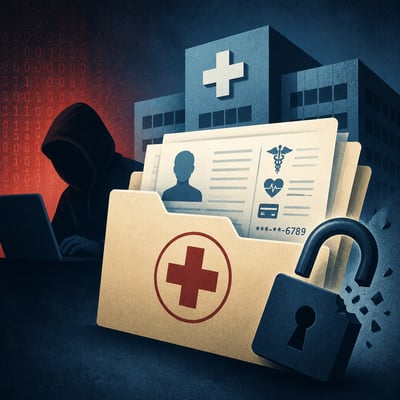
Healthcare providers, medical groups, law firms, and health-technology companies are disclosing unauthorized access to systems containing patient identifiers, medical records, insurance data, and financial information.
The 2026 reporting cycle emphasizes lengthy investigations, regulator notices, credit-monitoring remedies, and class-action scrutiny, while many notices leave the access method, affected population, or actual misuse unresolved.
The story broadened from recurring healthcare breach disclosures to a wider ecosystem that now includes law firms, health-tech vendors, and public hospital systems, with more explicit regulator and litigation scrutiny. The current version also sharpens the emphasis on lengthy investigation and notification delays, and on unresolved questions about root cause and misuse.
The story is now framed less as a broad set of breach notices and more as a recurring, ongoing pattern of repeated unauthorized access incidents across healthcare organizations, with a stronger emphasis on delayed disclosure and fragmented, case-by-case legal response. The geographic scope also broadened slightly with additional states appearing in the current version.
The story has broadened from a set of healthcare breach disclosures into a more litigation- and compliance-centered pattern, with more emphasis on attorney investigations, state regulator filings, and settlements from older incidents. The addition of specific providers and remediation details also shows the issue is persisting across more healthcare subsegments.
This topic centers on data breaches affecting healthcare providers, hospital systems, and adjacent organizations that hold sensitive patient or employee records. The dominant pattern is unauthorized access to networked systems or stored files, with exposed data often including Social Security numbers, medical information, insurance details, and other identifiers. The material also shows a strong follow-on pattern of breach notification, regulatory reporting, identity-protection services, and class-action lawsuits. Together, these incidents highlight the continuing exposure of healthcare organizations as high-value targets and the practical risks of identity theft, fraud, and privacy harm when medical and personal records are compromised.