
 AI Governance
 Data Centers
 Drones
 Climate
 Privacy
 2026 Maine Senate
 Bob Dylan
Healthcare Breach Notices
Coverage from SecurityWeek, BleepingComputer, and others
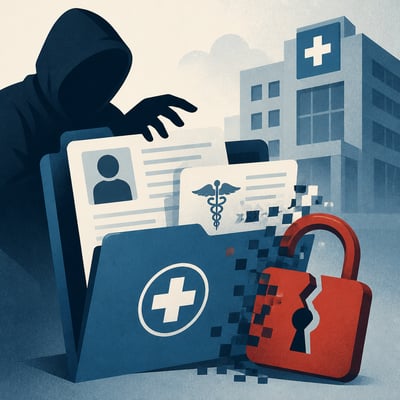
This topic centers on healthcare and adjacent organizations disclosing data breaches that exposed personal, financial, and protected health information.
Across the material, notices, investigations, and legal actions focus on how many people were affected, what data was accessed, and whether reporting and notification obligations were met. The pattern matters because these incidents can create identity theft risk, trigger regulatory scrutiny, and lead to litigation or settlement costs.
The story has shifted from healthcare breach reporting to a specific cross-sector campaign against Oracle PeopleSoft, centered on a newly disclosed zero-day exploit and attributed to ShinyHunters. This materially expands the scope and clarifies the mechanism, victim profile, and urgency of the incident.
The story broadens from Rochester-area provider/vendor breach notices to a wider set of healthcare organizations nationwide, and now emphasizes follow-on class-action litigation. It also shifts from confusion over notices to a stronger pattern of delayed discovery, broader exposure, and legal pressure.
- Class-action complaints are now a recurring follow-on.
- Delayed discovery-to-notification gaps are highlighted.
- The story now includes hospitals, law firms, and specialty clinics nationwide.
- Financial account data is now mentioned among exposed data types.
The story has narrowed from a broad pattern of U.S. healthcare breaches to a specific cluster of Rochester-area incidents, with a new emphasis on third-party vendors and confusing breach communications. The main added insight is that patient-facing notification problems are now part of the breach story, not just the underlying unauthorized access.
- Rochester-area organizations are now the main focus.
- Third-party vendors are repeatedly implicated in the incidents.
- Some breach letters used confusing branding or incorrect organization names.
- Driver license and passport numbers were exposed in some incidents.
- Phishing and vendor compromise are emphasized as attack paths.
The story has shifted from a single iRhythm breach to a broader sector-level pattern of repeated healthcare cyberattacks. It now emphasizes state regulatory tightening, especially faster breach notification, and the persistence of weak security across healthcare organizations.
- Healthcare breaches are now framed as a sustained, sector-wide pattern.
- California Senate Bill 446 requires faster, plain-language breach notifications.
- Incidents span hospitals, clinics, specialty practices, and related providers.
- Several breaches involve ransomware-linked intrusion or long-dwell unauthorized access.
- Exposure includes insurance IDs, billing data, and biometric or account information.
The story now centers on a specific iRhythm breach, shifting from a broad pattern of healthcare data incidents to a vendor-hosted application compromise with ransom-driven extortion. The latest version also adds that the event was treated as material and that core clinical or device systems were not affected.
- iRhythm disclosed the breach.
- A threat actor demanded payment to prevent disclosure.
- The company said the incident was material.
- No evidence of impact to clinical or medical device systems.
- Third-party-hosted business applications were the affected environment.
The story has shifted from a single bank’s AI-related breach to a broader pattern of healthcare organizations disclosing cyber incidents involving sensitive patient and medical data. The new emphasis is on unauthorized system access, regulatory reporting, and mitigation steps rather than internal shadow-AI misuse.
- Multiple healthcare organizations disclosed breaches affecting patient and employee data.
- Several incidents were reported to HHS OCR or state authorities.
- Exposed data may include medical record numbers, insurance information, and treatment details.
- Affected organizations are offering credit monitoring and identity protection.
The story has shifted from an external software-driven breach at Nissan to an internal AI-related data exposure at Community Bank, changing both the threat model and the regulatory context. The new version centers on employee misuse of an unauthorized AI tool, with disclosed customer SSNs and SEC reporting making the incident more directly material to banking oversight.
- Internal use of an unauthorized AI application caused the breach.
- Community Bank disclosed exposure of customer names, birth dates, and Social Security numbers.
- Community Bank filed SEC disclosures and began customer notifications.
- The bank said operations and payment systems were not disrupted.
- The incident was deemed material as of May 7, 2026.
The story has shifted from generalized healthcare breach reporting to a specific, broader enterprise-software attack: Nissan says employee data was exposed through a zero-day in Oracle PeopleSoft tied to ShinyHunters. The new version adds confirmed exploitation details, a named vulnerability, and emergency response by Oracle and Mandiant.
- Nissan Americas disclosed employee data exposure.
- Attackers exploited Oracle PeopleSoft CVE-2026-35273.
- Mandiant confirmed zero-day exploitation.
- Oracle issued emergency mitigations.
- ShinyHunters-linked campaign reportedly hit hundreds of PeopleSoft instances.
The story has broadened from a cluster of Rochester-area healthcare breach notices to a wider, nationwide pattern of healthcare and medical-services breaches involving hospitals, practices, vendors, and law firms. The current version also adds class action litigation and ransomware-related claims as recurring follow-on developments.
- The story now covers hospitals, specialty practices, law firms, and data vendors nationwide.
- Class action complaints are now a recurring follow-on to breach disclosures.
- Some incidents now involve ransomware groups or external actors claiming stolen data.
- Long gaps between access and disclosure are now emphasized.
- The framing now stresses alleged failures to protect data and notify quickly.
The story has narrowed from broad U.S. healthcare breach activity to a set of specific Rochester-area and vendor-linked disclosures. The new emphasis is on third-party notice problems and patient confusion, not just data exposure.
- Rochester Regional Health and related vendors notified patients after unauthorized activity.
- Some recipients mistook breach letters for scams because of vendor naming errors.
- Doctor Alliance and Duncan Regional Hospital are tied to a separate vendor-linked incident.
- Reported exposure includes Social Security numbers, medical data, and insurance details.
- Organizations are offering identity monitoring after disclosure.
The story has broadened from a single iRhythm breach to a wider sector-level pattern of recurring healthcare intrusions and ransomware, with regulators and providers responding more actively. The new framing emphasizes that this is an ongoing industry-wide exposure problem, not an isolated incident.
- Healthcare breaches are described as frequent across the broader U.S. sector.
- California, Texas, and New York recur as major breach hotspots.
- Some reporting suggests fewer people were impacted in 2025 despite high incident volume.
- State-level notification rules are becoming stricter.
- Uneven cybersecurity maturity is identified as a persistent sector issue.
The story has shifted from a broad pattern of healthcare breaches to a specific iRhythm incident involving third-party-hosted business applications, with confirmed exfiltration and an extortion attempt. The new version also adds that core clinical and device systems were unaffected, narrowing the operational impact while sharpening the third-party risk angle.
- iRhythm disclosed the cyberattack in June 2026.
- Attackers exfiltrated patient PHI and other personal data.
- The intrusion involved social engineering and extortion demands.
- Core clinical and medical device systems were not affected.
- California and SEC filings accompanied the disclosure.
The story has shifted from a single bank’s AI-related breach to a broader set of healthcare-sector breaches involving PHI exposure, regulatory notifications, and active legal scrutiny. This is now mainly about recurring healthcare cyber and privacy incidents rather than shadow AI in banking.
- Multiple healthcare organizations disclosed separate breach incidents.
- Incidents involved network intrusion, unauthorized access, or criminal cyberattacks.
- Some disclosures were reported to HHS OCR and state regulators.
- Organizations are offering credit monitoring or identity protection services.
- Law firms are investigating possible legal claims.
The story has shifted away from healthcare breach notices to a new, distinct incident: Community Bank disclosed a customer data breach caused by employee use of an unauthorized external AI tool. The new angle is that sensitive financial data was exposed through internal shadow AI misuse rather than an external intrusion.
- Community Bank disclosed a breach tied to unauthorized external AI use.
- Employee misuse, not hacking or ransomware, caused the exposure.
- The bank filed the disclosure with SEC-related reporting.
- The incident was marked material as of May 7, 2026.
- Attorneys are assessing possible class-action claims.
The story has shifted from Oracle PeopleSoft employee-data breaches at large manufacturers to a new cluster of Rochester-area healthcare and nonprofit breaches involving patient and health information. A major new wrinkle is that confusing vendor-delivered breach notices and third-party involvement have become part of the impact, weakening trust in the disclosures.
- Rochester Regional Health became the dominant breach notice thread.
- Patient letters were mistaken for scams because of vendor delivery and naming errors.
- Rochester Philharmonic Orchestra disclosed a separate personal and health data breach.
- Doctor Alliance and Xsolis are now part of the breach narrative.
- Akira is tied to the orchestra breach.
The story has shifted from scattered healthcare provider breaches to a more specific campaign against enterprise HR and payroll systems, with Nissan and Kubota now central. The biggest new development is the linkage to an Oracle PeopleSoft zero-day campaign, including attribution to ShinyHunters and Mandiant’s timing confirmation.
- Nissan tied its breach to CVE-2026-35273 exploitation.
- ShinyHunters is linked to the broader PeopleSoft campaign.
- Kubota disclosed unauthorized access to HR and employee records.
- Payroll updates are being restricted to secure channels.
- Identity monitoring is being offered to affected employees.
The story has broadened from a general set of healthcare breach investigations into a more specific wave of 2026 disclosures, with new named providers and a medical vendor entering the picture. The updated framing also emphasizes delayed notice timelines and stronger class-action scrutiny.
The story has shifted from a single bank’s shadow-AI-driven breach to a broader set of healthcare and related organizations reporting unauthorized system access and possible patient-data exposure. The new emphasis is on widespread healthcare privacy incidents, regulatory notifications, and legal scrutiny rather than employee misuse of AI.
- Multiple healthcare-related organizations reported unauthorized access to network servers or internal systems.
- Several incidents were reported to HHS OCR or other regulators.
- Affected organizations are notifying individuals and offering monitoring or identity protection.
- One incident reportedly affected millions of individuals.
- Law firms are investigating potential cybersecurity and legal failures.
The story has shifted from a healthcare vendor-hosting breach to an internal banking data exposure tied to unauthorized employee use of an external AI tool. That reframes the core risk as shadow AI inside routine operations, with direct regulatory and privacy implications for financial institutions.
- Community Bank disclosed a customer data breach.
- An employee used an unauthorized external AI tool in routine operations.
- Names, dates of birth, and Social Security numbers were exposed.
- The bank notified affected customers.
- The disclosure references potential regulatory scrutiny for financial institutions.
The story shifts from a broader pattern of healthcare breaches to a specific iRhythm incident involving third-party-hosted business applications, social engineering, and extortion. It adds clearer evidence of vendor-related exposure and regulatory notification risk, while confirming core clinical and device systems were not impacted.
- iRhythm Holdings disclosed a breach affecting its third-party-hosted business applications.
- Attackers used social engineering and issued an extortion demand after stealing data.
- Core clinical and medical device systems were not affected.
- Patient protected health information and personal data were exposed.
- External cybersecurity experts were engaged to investigate the incident.
The story now centers much more heavily on Medtronic, which is portrayed as the dominant breach case and linked to ShinyHunters' claims involving millions of records. The update also adds several named healthcare providers and one law firm, while shifting emphasis from a broad breach pattern to a narrower set of 2025-2026 incidents.
- ShinyHunters claimed responsibility for the Medtronic intrusion.
- Medtronic is described as involving millions of records.
- Radiology Associates of Richmond disclosed a patient data breach.
- Blue Fish Pediatrics disclosed exposure of patient identifiers and health data.
- Schubert Jonckheer & Kolbe LLP is investigating breach impacts.
The story is now framed more broadly than direct patient breaches, explicitly including corporate, employer, and software-linked incidents involving employee, customer, and account data. The core pattern of notifications, regulatory reporting, credit protection, and litigation is otherwise reinforced rather than materially changed.
The story is slightly reframed around fresh 2025-2026 disclosures, with more emphasis on litigation follow-on and standardized breach response rather than the broader mix of incident types. The scope also becomes more specific about vendors, employees, and named regulatory actors.
The story now frames the breach wave more broadly and more specifically: ransomware and third-party access are emphasized alongside traditional unauthorized access, and the response is increasingly legal-regulatory. It also adds that some current items are actually settlements tied to earlier incidents, not just fresh breach disclosures.
The story is largely unchanged, but the latest version reframes the pattern more narrowly around unauthorized access disclosures and formal follow-on responses. It also places slightly more emphasis on delayed notice and legal/regulatory aftermath than on the broader mix of breach mechanics.
The story now more explicitly centers on third-party and service-provider exposure, not just direct provider breaches, and adds clearer compliance specifics around HIPAA reporting and HHS OCR/state attorney general notifications. It also introduces several named providers and a medical-tech firm, reinforcing that the issue remains an active 2025-2026 breach wave.
The story has shifted from a general pattern of healthcare breach disclosures to a more specific emphasis on compliance scrutiny, especially HIPAA notice timing and class-action follow-on risk. The current version also adds clearer emphasis that some incidents involved access to peripheral files or vendor environments rather than core medical record systems.
The story has broadened from a general pattern of healthcare breaches into a more concretely documented, ongoing sequence of unauthorized-access incidents with recurring regulatory and litigation follow-through. The current version adds clearer emphasis on the standard response playbook and introduces specific new entities, including a Canadian claims process.
The story has broadened from a general pattern of healthcare breaches into a more explicit regulatory-and-litigation cycle, with HIPAA/HHS OCR and state attorney general reporting now front and center. The current version also sharpens the threat profile by emphasizing ransomware, network intrusion, and email compromise as recurring entry points, not just unauthorized access.
The story is slightly broader and more specific: it now explicitly includes medical groups, clinics, hospital systems, radiology practices, and related service vendors, while adding payment or credential data as occasional exposed information. The framing also shifts toward standardized remediation and litigation follow-on steps, reinforcing that these are persistent healthcare privacy incidents rather than isolated breaches.
Healthcare organizations continue to report breaches that expose patient identity data, Social Security numbers, and medical records, often after unauthorized network access, ransomware, or phishing. Notification, credit monitoring, and class action activity remain common follow-on responses.