
 AI Governance
 Data Centers
 Drones
 Climate
 Privacy
 2026 Maine Senate
 Bob Dylan
Healthcare Breaches Disrupt Care and Expose Data
Coverage from The Record, MD+DI, and others
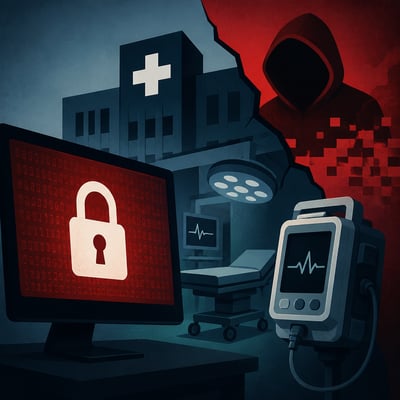
Healthcare providers and medical technology companies are facing cyberattacks that range from unauthorized corporate-system access and data theft to ransomware-driven outages affecting clinics, hospitals, and diagnostic services.
The incidents show that attackers can create both privacy exposure and direct interruptions to care, while the extent of stolen patient information often remains unclear during early investigations. Organizations are isolating systems, using manual downtime procedures, engaging law enforcement and security firms, and providing patient support as they assess the damage.
The story now provides a clearer measure of AnMed’s operational disruption, with 83 facilities affected and ten still closed during recovery. It also emphasizes that investigations and restoration efforts remain ongoing across several incidents.
The story now includes a breach affecting more than 15 million people, substantially increasing the apparent scale of healthcare-data exposure. It also adds concrete operational impacts at AnMed and UMMC, alongside newly identified threat groups making unverified data-theft claims.
- DentaQuest reported health-data exposure affecting more than 15 million people.
- Federal regulators described the DentaQuest incident as the year’s largest reported health-data breach.
- AnMed temporarily closed facilities after malware disrupted networks and clinical-system access.
- UMMC lost Epic access across hospitals, clinics, and telehealth sites.
- ShinyHunters and The Gentlemen made separate data-theft claims.
The story now emphasizes broader healthcare disruption beyond ransomware, showing impacts on EMRs, billing, diagnostics, and clinic operations across more parts of the care delivery chain. It also more clearly distinguishes that some affected companies contained incidents without losing core device, manufacturing, or patient-care functionality.
The story now centers more explicitly on concrete operational disruptions and on later-confirmed patient-data exposure, especially the Medtronic notification and UMMC/AnMed service interruptions. It also broadens from a general pattern of healthcare cyber incidents to a clearer account of how organizations are restoring systems while patient-notification questions remain unresolved.
- UMMC lost Epic access across hospitals, clinics, and telehealth sites.
- AnMed closed multiple outpatient departments after malware disruption.
- Medtronic notified patients of possible personal and health information access.
- UFP Technologies restored systems from backups after exfiltration and encryption.
- Abbott joined other medtech firms in reporting connected-system intrusions.
The story has broadened from medtech breaches to a wider set of healthcare cyber incidents, including hospitals and health systems whose operations and records access were disrupted. It also adds new federal involvement and concrete response measures such as law-enforcement coordination and credit monitoring.
- Hospitals and health systems are now part of the incident set.
- Billing, portals, communications, and EMR access were disrupted.
- Medtronic reported potential exposure of identifiers and health information.
- FBI and CISA are involved in incident response.
- Credit monitoring services are being offered to affected individuals.
Recent reporting shows repeated cyber intrusions at medical device companies, with files stolen, systems disrupted, and investigators still determining whether personal or patient data was exposed. The pattern emphasizes containment, recovery from backups, and uncertain notification obligations.