
 AI Governance
 Data Centers
 Drones
 Climate
 Privacy
 2026 Maine Senate
 Bob Dylan
Government Data Sharing Draws Privacy Pushback
Coverage from WLRN, EarthTimes, and others
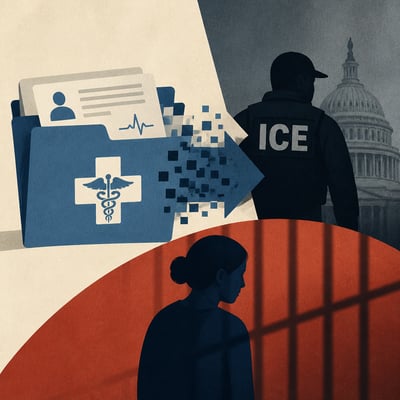
Government agencies and public-sector partners are expanding the use, analysis and sharing of personal data across immigration enforcement, health care, benefits, fraud investigations and administrative decision-making.
The developments are generating demands for clearer notice, consent, data minimization, contractual safeguards, independent oversight and meaningful avenues to challenge decisions. Courts, lawmakers and public officials are weighing the potential benefits of analytics and service delivery against privacy risks, data-quality limits and the possibility that people will avoid public programs or lose trust in government.
The story now places greater emphasis on formal safeguards and litigation, with human review, independent oversight, and lawsuits becoming central to how these data-sharing efforts are being contested. It also sharpens the concern that privacy risks are not just theoretical but could directly deter immigrant families and program participants from using public services.
The story has broadened from Medicaid-immigration data disputes into a wider cross-government debate over using sensitive public data for AI-assisted analysis, fraud detection, research, and administrative decision-making. That expansion adds new actors and new privacy concerns around consent, notice, human review, and reidentification.