
 AI Governance
 Data Centers
 Drones
 Climate
 Privacy
 2026 Maine Senate
 Bob Dylan
Courts Tighten Data Breach Standing
Coverage from Consumer Financial Services Law Monitor, IAPP.org, and others
U.
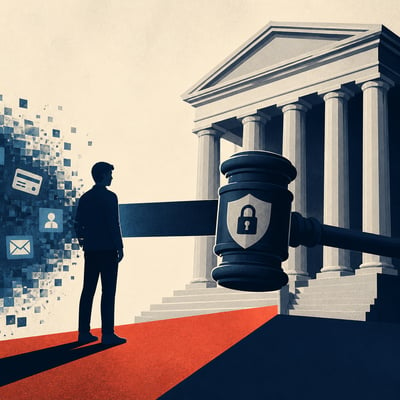
S. federal courts are applying increasingly specific requirements for plaintiffs bringing data breach class actions, particularly on whether alleged fraud, mitigation costs, or future identity-theft risk can be traced to a defendant’s breach. Recent decisions have dismissed claims with speculative misuse allegations or weak temporal and factual links, while leaving in place a Fourth Circuit ruling recognizing standing where driver’s license numbers were posted on the dark web. The decisions make evidence of actual misuse, exposed-data matching, and forensic dark-web activity increasingly important to breach litigation.
The story has become more specific and operationalized: courts are not just tightening standing doctrine generally, but are now focusing on concrete proof of misuse, data matching, and dark-web publication as the key gateways to breach claims. The latest set of decisions also sharpens the factual distinctions among cases, including dismissals where traceability is weak and a preserved Fourth Circuit standing ruling where dark-web posting was alleged.
The story has shifted from a general briefing on standing doctrine to a more specific 2026 litigation pattern, with recent First Circuit and district-court decisions emphasizing stricter traceability and causation at the pleading stage. The updated framing also highlights that appellate rulings, especially in hospital breach cases, are now driving the doctrine more than older precedent alone.