
 AI Governance
 Data Centers
 Drones
 Climate
 Privacy
 2026 Maine Senate
 Bob Dylan
Airport Facial Scans Meet Traveler Choice
Coverage from Beacon Journal, MassLive, and others
U.
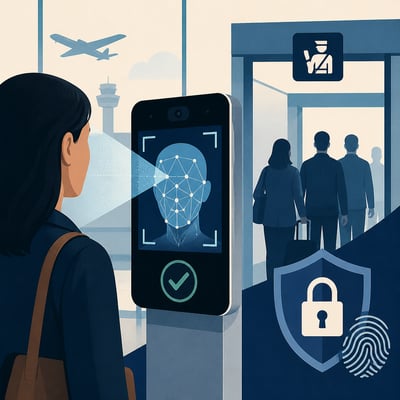
S. airport security and border agencies are expanding facial comparison systems that match live traveler images with government-issued identification during checkpoint and preclearance screening. TSA presents the technology as a faster, more consistent identity check and says travelers can generally request manual verification, while CBP applies different rules to U.S. citizens and some foreign nationals. The expansion has intensified scrutiny of biometric accuracy, demographic performance, consent, image deletion, database use, and oversight.
The story now extends beyond TSA checkpoints to CBP biometric preclearance overseas, introducing different requirements for citizens and some foreign nationals. It also adds operational consequences from CT scanner modernization.
The story now highlights a conflict between TSA/IDEMIA claims that checkpoint images are promptly deleted and reporting about longer DHS biometric retention periods. Proposed congressional restrictions also sharpen the oversight debate.
The story has broadened from TSA facial comparison at checkpoints into a wider airport biometric ecosystem that includes separate Touchless ID lanes, previously submitted federal identity records, and more participating partners. The new version also sharpens the unresolved risks by emphasizing vendor access, workflow failures, and weaker independent verification of deletion and accuracy claims.
The story shifts from a general rollout of airport facial recognition to a more specific account of how TSA’s checkpoint program now works and where it is being deployed, including a reported 65-airport Touchless ID footprint tied to Google Wallet. The framing also becomes more explicit about oversight gaps, with critics now pressing for clearer opt-out notices, independent audits, retention limits, and demographic performance data.
The story has become more operationally specific: TSA's biometric screening is now described as spreading across checkpoints and PreCheck lanes with named technology support and clearer fallback and deletion procedures. The main framing also shifts slightly from broad privacy debate to whether this normalization of facial recognition in travel security can be constrained by consent and oversight.
The story now emphasizes TSA’s implementation of an integrated digital identity workflow, including Google Wallet and mobile boarding passes, while a previously noted subcontractor breach adds a concrete security dimension to privacy concerns.
The cluster is primarily about the expansion of airport facial recognition and biometric identity verification in U.S. passenger screening. Current coverage is dominated by TSA PreCheck Touchless ID rollout and related airport deployment details, alongside a smaller but related expansion of Clear’s paid facial screening service. Across the set, the recurring privacy issues are opt-in/opt-out clarity, biometric template creation and reuse, retention/deletion practices, and fairness or accuracy concerns.