
 AI Governance
 Data Centers
 Drones
 Climate
 Privacy
 2026 Maine Senate
 Bob Dylan
ACLU Challenges Facial Recognition Arrests
Coverage from CBS News, The Tech Buzz, and others
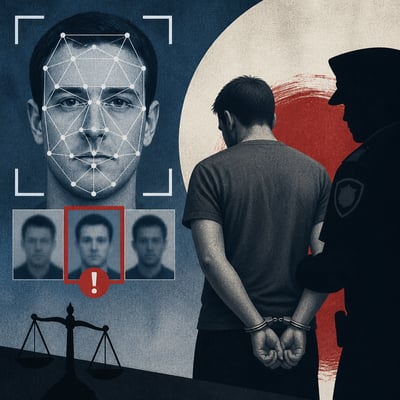
The topic centers on ACLU efforts to challenge law-enforcement reliance on facial recognition and other AI systems in criminal investigations.
A Florida lawsuit alleges that police treated a FACESNXT candidate result based on poor-quality surveillance images as confirmation, contributing to Richard Dillon’s arrest before charges were dropped, while an ACLU toolkit urges Massachusetts defense attorneys to seek disclosure of undisclosed AI-generated evidence. The developments highlight unresolved questions about independent verification, image quality, algorithmic error, vendor secrecy, and defendants’ ability to test evidence used against them.
The update mainly tightens and clarifies the Florida facial-recognition case, adding Richard Dillon’s name and more specific allegations about the poor image quality and the dropped charges. It also reframes the Massachusetts guidance more broadly around AI-generated criminal evidence and disclosure.
The story now adds a second, broader legal front: beyond the Florida wrongful-arrest lawsuit, the ACLU is actively pushing defense-side discovery and testing tools for AI-assisted evidence in Massachusetts. It also clarifies that the Florida case ended with charges dropped, sharpening the focus on evidentiary reliability and disclosure.