
 AI Governance
 Data Centers
 Drones
 Climate
 Privacy
 2026 Maine Senate
 Bob Dylan
Dylan’s Rough And Rowdy Ways Touring
Coverage from Chicago Sun-Times, Rolling Stone India, and others
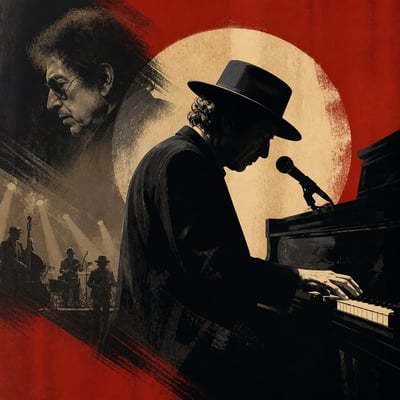
Bob Dylan’s Rough and Rowdy Ways-era concerts consistently foreground newer material, reshaped catalog songs, and piano- or acoustic-led arrangements.
The 2026 shows add a changing guitar lineup, varied instrumentation, and production differences while continuing an established pattern of touring-based reinvention rather than straightforward nostalgia.
The story gains a more concrete 2026 phase: personnel turnover brought Joel Paterson into the band, while acoustic staging and production choices created greater variation in the live experience. The core interpretation remains unchanged, but the touring cycle is now documented across a broader geography and with more specific lineup and audience details.
The story is mostly the same, but the current version sharpens the framing around tour stability: it shifts from band turnover and repeated reshaping to a more settled, familiar 17-song live structure. It also adds a slightly broader historical lens, but the core takeaway remains steady late-career reinvention on tour.
The story now places stronger emphasis on 2024-2026 touring specifics, including mid-run band turnover and a newly named guitarist, while keeping Rough and Rowdy Ways at the center. The framing also shifts slightly toward stable set construction and older live releases as reference points for Dylan's ongoing reinvention.
The story now adds a clearer 2026 touring phase, with Julian Lage entering the lineup and Doug Lancio dropping out, making the current live-era sound more personnel-specific. The framing also shifts from a general late-career performance pattern to a more concrete, ongoing tour cycle anchored by Rough and Rowdy Ways and the Long Hot Summer '26 run.
The cluster is primarily about Bob Dylan’s live performance practice, especially how his late-career touring has reshaped songs through arrangement, instrumentation, and setlist construction. The current signal is dominated by Rough and Rowdy Ways-era shows and closely related Never Ending Tour reporting, with recurring attention to piano-led staging, reworked classics, and the balance between new material and catalog songs. Historical live albums and legacy-oriented pieces remain present, but mostly as context for current performance evolution.