
 AI Governance
 Data Centers
 Drones
 Climate
 Privacy
 2026 Maine Senate
 Bob Dylan
Highway 61 Revisited
Coverage from nightly_moth, GRAMMY.com, and others
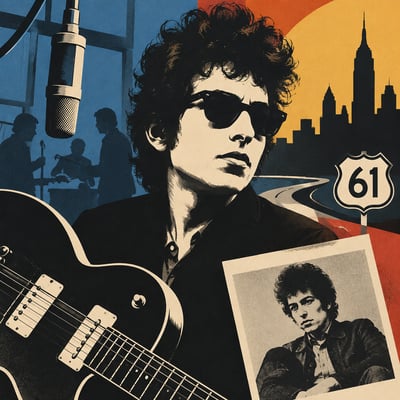
Released on August 30, 1965, Highway 61 Revisited captured Bob Dylan’s move from acoustic folk toward a more abrasive, electric sound rooted in blues and rock.
Recorded at Columbia Studio A with musicians including Mike Bloomfield, Al Kooper, and Bobby Gregg, the nine-track album features landmark songs such as “Like a Rolling Stone,” “Desolation Row,” and “Ballad of a Thin Man.” Its fractured narratives, literary allusions, and studio energy have made it a lasting subject of criticism and a major reference point in popular music’s canon.
If you read one thing
It offers the clearest broad account of the album’s electric folk-rock breakthrough and lasting musical influence.
Best explainer
Its session-based account explains how flexible direction and responsive ensemble playing shaped the album’s sound.
The evidence
It provides a substantive interpretation of the album’s American imagery, absurdist storytelling, and social contradictions.
Electric folk-rock watershed
Highway 61 Revisited is consistently treated as the decisive artistic break that fused Dylan’s folk background with amplified blues-rock, literate songwriting, and a new album-scale model for rock. Its significance is framed as both a transformation in Dylan’s career and a broader reshaping of genre expectations.
Collaborative, improvisational studio method
Accounts of the sessions emphasize that the album’s sound emerged through responsive ensemble playing, flexible personnel, and rapid feel-based decisions rather than a fixed, solitary design. Harvey Brooks and other session musicians are positioned as active contributors to the record’s construction.
American myth recast as social critique
Interpretive coverage treats the album’s Highway 61 imagery, blues inheritance, travel motifs, and surreal characters as a framework for examining American violence, commerce, authority, and cultural contradiction. The album’s lasting force is therefore tied not only to its sound but to its ambiguous rewriting of national mythology.
No new topic members were supplied, so there is no evidence of a material change in the real-world subject since the prior state.
Previously
Recent anniversary writing and archival recollection revisit Highway 61 Revisited as Dylan's electric breakthrough, emphasizing spontaneous New York sessions, influential collaborators, track-level experimentation, and the album's enduring place in American music.