
 AI Governance
 Data Centers
 Drones
 Climate
 Privacy
 Bob Dylan

Heat Drives Inactivity and Deaths
Coverage from Penn State News, News-Medical, and others
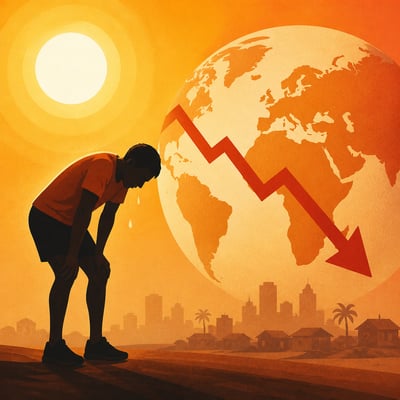
Rising temperatures are projected to reduce physical activity and increase heat-related illness and deaths, with the largest effects in hotter, lower-income regions.
A Lancet Global Health modeling study covering 156 countries estimates that each additional month above 27.8°C could raise global physical inactivity by roughly 1.5 percentage points and contribute to hundreds of thousands of premature deaths annually by 2050. Other evidence highlights Europe’s preparedness gaps, limited cooling access, and the disproportionate mortality burden facing countries with fewer adaptation resources.
The story now puts more weight on quantified future mortality from heat, adding a specific global estimate and emphasizing scenario dependence. It also shifts the geographic emphasis toward Europe’s preparedness gaps alongside the broader inequality in adaptation capacity.
The story has shifted from broad evidence that heat constrains health and activity to a more detailed picture of structural adaptation gaps and policy response. The new version adds concrete U.S. county-level risk projections, WHO year-round planning guidance, and stronger emphasis on unequal cooling, housing, and healthcare capacity as the main determinant of outcomes.