
 AI Governance
 Data Centers
 Drones
 Climate
 Privacy
 Bob Dylan

Antarctica’s Warm Oceans Raise Sea Risks
Coverage from Inside Climate News, Phys, and others
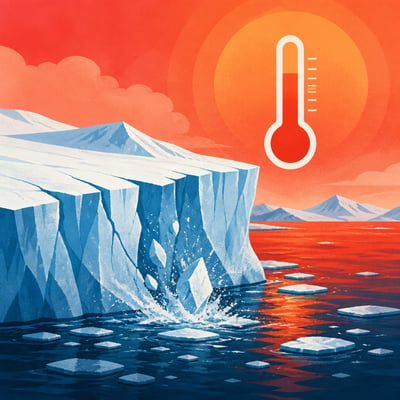
An unusually large area of Antarctic winter sea ice failed to form along the western Antarctic Peninsula, driven by warm air and ocean conditions.
The immediate sea-ice anomaly is part of a broader concern that warm deep water is melting glaciers from below, particularly in West Antarctica, while snowfall temporarily offsets some ice losses elsewhere. Thwaites Glacier remains a major uncertainty for the timing and scale of future sea-level rise, which is expected to vary substantially by region.
The update mainly tightens the framing and adds a clearer timestamp, while keeping the core scientific story unchanged. It also slightly shifts emphasis from a broad sea-ice anomaly to ongoing glacier melt and uneven sea-level impacts on island regions.
The story now puts more emphasis on the broader glacier-melt mechanism than on the sea-ice anomaly alone, highlighting deep warm water reaching glacier undersides and accelerating ice discharge. It also sharpens the framing of future sea-level impacts, stressing uneven effects on low-lying Indian and Pacific island communities.